
Perikles
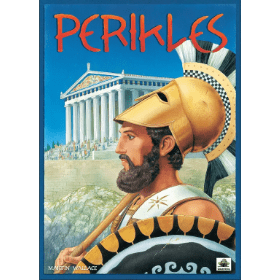 Perikles è un gioco di Martin Wallace. I giocatori assumono il ruolo di una nobile famiglia che cerca di diventare il leader di una o più delle 6 antiche città-stato Greche. Il gioco si svolge in due fasi:
Nella prima i giocatori si contendono il controllo dell'area in ciascuno dei sei Stati, che si conclude con le elezioni. I giocatori che vincono le elezioni in ogni Stato possono quindi controllare l'esercito di quello Stato.
Nella seconda fase, i giocatori utilizzano le carte per spostare i loro eserciti per attaccare o difendere una delle sette battaglie (ciascuna legata a uno stato, e non puoi attaccare la tua!) in palio in quel round.
La meccanica di gioco è semplice, con gli elementi scelti da altri giochi di guerra in stile Europeo (in particolare Struggle of Empires di Martin Wallace). Ciò che rende Perikles unico è la perfetta integrazione della fase di controllo/voto e della fase militare.
Numero di giocatori: 3 - 5
Durata della partita: 17 mn
Complessità: 4 / 5
Gioca a Perikles e 1394 altri giochi online.
Nessun download, gioca direttamente dal tuo browser.
Con i tuoi amici e migliaia di giocatori da tutto il mondo.
Gratuito.


Gioca a Perikles e 1394 altri giochi online.
Nessun download, gioca direttamente dal tuo browser.
Con i tuoi amici e migliaia di giocatori da tutto il mondo.
Gratuito.
Sommario delle regole
In Perikles, i giocatori rappresentano influenti famiglie greche. Nel corso di tre epoche, lottano per ottenere il controllo politico in sei città-stato e per guidare gli eserciti di queste città alla vittoria in varie battaglie. Obiettivo del Gioco Vincere accumulando il maggior numero di Punti Vittoria (PV). I punti vengono assegnati alla fine di ogni epoca per le battaglie vinte (segnalini Statua) e alla fine della partita per il controllo delle città-stato. Svolgimento del Gioco Il gioco si sviluppa nell'arco di tre epoche. Ogni epoca è composta da due fasi principali: la Fase Politica e la Fase di Guerra. 1. Fase Politica (Influenza e Controllo) Durante questa fase, i giocatori piazzano i propri cubi influenza per assumere la guida delle città. Selezione delle Tessere Influenza: I giocatori, a turno, scelgono le tessere che indicano in quali città possono piazzare i cubi. Piazzamento dei Cubi: I cubi vengono piazzati nelle sei città (Atene, Sparta, ecc.). Elezioni: In ogni città, si verifica quale giocatore possiede la maggioranza di cubi. Chi possiede più cubi diventa il Leader della città per quel round e riceve le due Tessere Esercito della città (forze terrestri e navali). In caso di parità, si applicano specifiche regole di spareggio. Ostraka (Esilio): I giocatori possono tentare di rimuovere i cubi avversari dalle città per assicurarsi la maggioranza. 2. Fase di Guerra (Battaglie e Strategia) I leader delle città schierano ora i propri eserciti per lanciare attacchi contro la Persia o altri luoghi della Grecia presenti sul tabellone. Schieramento degli Eserciti: I giocatori posizionano le loro Tessere Esercito a faccia in giù sulle località disponibili. Le battaglie si dividono in combattimenti terrestri o navali. Risoluzione delle Battaglie: Le tessere vengono rivelate. Il combattimento si risolve confrontando la forza militare, calcolata sommando i valori di Forza riportati sulle tessere al risultato del lancio di un dado. Attaccante contro Difensore: L'attaccante deve riuscire a superare le difese del luogo o gli eserciti avversari schierati. Perdite: Le unità sconfitte vengono rimosse dal tabellone. Ricompense: Il vincitore di una battaglia riceve un segnalino Statua, che conferisce PV alla fine dell'epoca. Azioni e Fattori Decisionali Categorie delle Tessere Influenza Le tessere offrono svariate opzioni tattiche: Simboli Città: Permettono di piazzare 1 o 2 cubi nella città corrispondente. Tessere Evento (Peste, Tradimento, Flotta Persiana): La Peste riduce per tutti i giocatori il numero di cubi presenti in una città scelta; il Tradimento permette di indebolire o manipolare un esercito in battaglia; la Flotta Persiana può essere utilizzata nelle battaglie navali per influenzarne l'esito. Unità Militari Opliti (Terra): Utilizzati per le battaglie terrestri nelle varie regioni. Triremi (Mare): Utilizzate per le battaglie navali al fine di assicurarsi il controllo sui mari. Regola Speciale di Sparta: Le unità terrestri spartane sono eccezionalmente forti in combattimento, ma presentano una minore flessibilità politica. Fine del Gioco e Punteggio Il conteggio finale dei punti avviene al termine della terza epoca: Punti Statua: La somma dei punti ottenuti dai segnalini in tutte e tre le epoche. Controllo delle Città: I giocatori che detengono la leadership in una città al termine della terza epoca ricevono PV bonus calcolati in base al valore della città stessa. Influenza Rimanente: Punti minori assegnati per le risorse avanzate non utilizzate. Il giocatore che ottiene il maggior numero totale di Punti Vittoria viene dichiarato vincitore.